

Guide
Vegetarian in Nha Trang: the word chay and hidden traps
11 June 2026 · By Stockholm Team
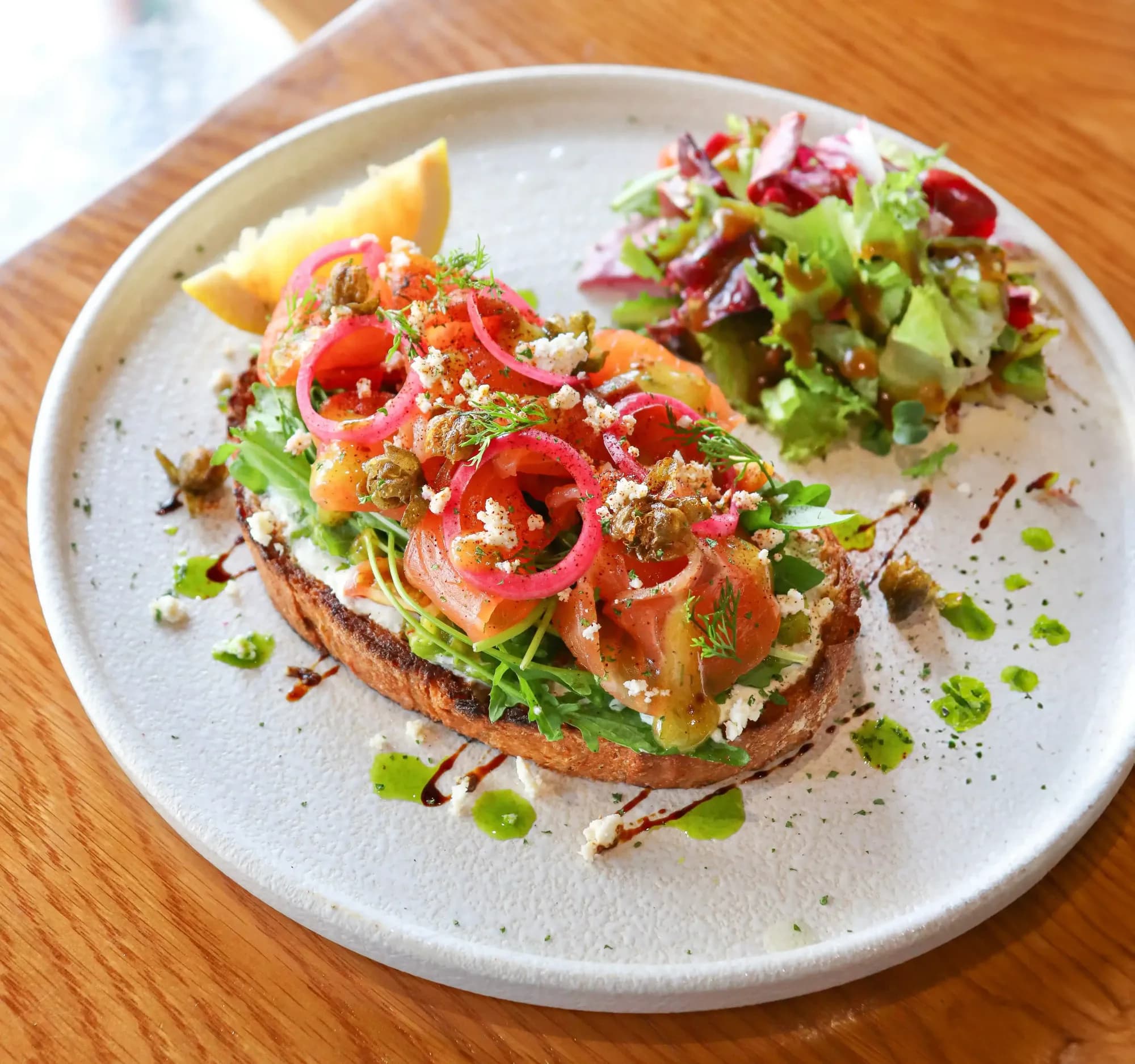
Nha Trang lives off the sea. Fish cake floating in bánh canh, anchovy paste in half the dipping sauces, dried squid along the promenade every evening. A vegetarian's first week here usually runs on fried rice, mango and instant noodles, because it looks like there is nothing else on offer. There is plenty: Vietnam's vegetarian tradition is older than the European fashion for it, it simply goes by a different name and lives where visitors rarely think to look.
What follows is the practical part: the word to learn first, where to look for food, what to ask before ordering, and where fish tends to hide without anyone mentioning it — because locally it is not counted as fish at all.
Chay — the word everything starts with
The key word is chay, pronounced roughly "chai". It is the Vietnamese term for meat-free, vegetarian food, and it comes out of Buddhist practice. A sign reading Quán chay or Cơm chay means the entire place has no meat, no fish and no fish sauce — there is nothing left to double-check. Such kitchens are often vegan as well: the strict Buddhist version drops eggs and dairy, and sometimes onion and garlic too. The meat-looking pieces on your plate are soy or wheat protein, and cooks here make it convincing.
Phrases worth keeping in your phone notes. "Tôi ăn chay" — I'm vegetarian. "Không thịt, không cá" — no meat, no fish. "Không nước mắm" — no fish sauce. "Có món chay không?" — do you have vegetarian dishes? Vegans should add "không trứng, không sữa" — no eggs, no milk. Showing the text on screen is safer than saying it out loud: Vietnamese is tonal, and chay is easy to mishear as a couple of other words. A server will nod politely rather than ask you to repeat yourself.
A useful calendar detail: on the first and fifteenth days of the lunar month many Vietnamese eat chay, and meat-free dishes appear on those days even in places that normally have none. If the date lines up, ask without hesitation — the odds are better than usual, and sometimes the kitchen prepares a separate set of dishes.
Where to look in Nha Trang
There are three sources. First, dedicated quán chay: easiest to find in residential blocks and near pagodas, with signs usually in white and green or marked with a lotus. Rice-based portions, low prices, almost no English — and none needed, since you point at the trays behind the glass. Second, markets and street carts: boiled corn, sweet potato, tofu, battered banana, fresh fruit. That carries you through the day but makes a poor dinner.
Third, places with a European menu where vegetarian dishes get their own section rather than "we'll take the meat out of this one". Close to the center there is Stockholm Bistro & Co-working at 43 Lý Tự Trọng, where the vegetarian half of the menu goes well past cucumber salad. Chay salad, pumpkin salad, cauliflower steaks, pesto pasta, vegan pizza. Pasta runs 199.000–259.000 VND, pizza 129.000–259.000, coffee from 40.000. The kitchen works until 22:00 and the place itself is open daily from 07:00 to 23:00 — in a city where half the cafes kill the lights by nine, that is a noticeable difference.
The traps: fish sauce, broth and "just a tiny bit"
The main trap is nước mắm, fish sauce. It does not register as a meat ingredient here; it is the local salt. It dresses green papaya salad, comes alongside fresh spring rolls, goes into vegetable marinades and into fried rice. Then there is mắm tôm, pungent shrimp paste, and dầu hào, oyster sauce, poured generously over stir-fried greens like rau muống. Unless you have said "không nước mắm, không dầu hào", they are in there by default.
The second trap is broth. Phở, bún, hủ tiếu and bánh canh are almost always simmered on bones or on fish, and a "vegetarian" version sometimes means only that the pieces of meat have been lifted out of the bowl. Ask directly: "Nước dùng chay không?" — is the broth meat-free? The third is bánh mì sandwiches: the standard filling includes pâté and pork roll, so ask for bánh mì chay. The fourth is the phrase "there's only a tiny bit of meat in it" — for many cooks a stock cube, lard for frying or a spoonful of fish sauce does not count as an ingredient at all.
One habit helps: check before you order, not after. Once the order is in, nobody is going to remake it, and you end up with a plate you cannot eat plus an awkward pause. Thirty seconds on two questions about sauce and broth clears up almost every problem.
What to order: dishes that almost always work
At a quán chay, take cơm chay — rice with several vegetable dishes on a tray, the fastest and cheapest lunch available. After that, in order of reliability: đậu hũ sốt cà, tofu in tomato sauce; nấm kho, mushrooms braised with pepper; gỏi cuốn chay, rice paper rolls with tofu and herbs; bánh xèo chay, rice pancake with mushrooms and bean sprouts; phở chay and bún riêu chay, the meat-free versions of the noodle soups, which chay places build on vegetables and mushrooms.
European menus call for different markers. Pesto pasta, vegetable soups, roasted vegetables, cauliflower as a main course, pizza — vegans should ask for it without cheese if no vegan version is listed. Pumpkin and beetroot salads are usually safe, but check the dressing anyway: in a local reading, fish sauce can end up in there too. And check the desserts — butter and eggs are the default.
Putting together an ordinary day
Morning is the hardest stretch: many quán chay open early but close by lunchtime, and street breakfast is nearly all meat broth. It is simpler either to buy fruit and bread the day before, or to go somewhere with a kitchen running from early on. At the same Stockholm, brunch is served from 07:30 to 14:00 and dinner from 14:00 to 22:00 — so you can eat at eight and not wonder where to find food at three in the afternoon, when local kitchens go on their break.
On coffee: cà phê sữa đá is made with condensed milk, which works for vegetarians but not for vegans. Order cà phê đen (black) or ask about plant milk. If you work remotely and want lunch in the same building as your desk, the co-working at 43 Lý Tự Trọng occupies floors 2 through 4: hot desk from 80.000 VND a day, fixed desk from 1.500.000 VND a month, bistro on the ground floor. To check availability or ask what goes into a dish, call +84 766 436 363.
After a couple of weeks none of this feels like a quest anymore. You remember three phrases, you recognise chay signs from across the street, and menus without pictures stop being intimidating. Nha Trang is a fish city, but it feeds vegetarians perfectly well once you know which word to say first.